Spasticity: The Complete Guide for Patients and Families


After a stroke, spinal cord injury, severe traumatic brain injury, or following a diagnosis of multiple sclerosis or cerebral palsy, one of the most common questions asked by patients and their families is: "Why won’t the muscles relax anymore? Why do they contract on their own?" In most cases, the answer is spasticity.
Spasticity is one of the most disabling consequences of neurological diseases, affecting millions of people worldwide. The good news is that medicine has advanced enormously in recent decades, and today there is a complete therapeutic arsenal available, ranging from medication and physiotherapy to highly precise neurosurgical interventions with scientifically documented results.
This guide is written primarily for patients and their families. You will find clear explanations about what spasticity is, why it occurs, how it evolves, and what treatment options are currently available, including in Romania.
1. What is spasticity?
The term comes from the Greek word spastikos — meaning “that which contracts.” In medical terms, spasticity represents the hyperexcitability of the muscle stretch reflex: muscles react excessively to any stimulus, remaining in a permanent state of tension and involuntary contraction.
The classic definition, formulated by neurologist J.W. Lance in 1980 and still valid today, describes spasticity as a motor disorder characterized by a velocity-dependent increase in muscle tone, with exaggerated stretch reflexes, as part of the upper motor neuron syndrome.
More simply put: after damage to the nerve pathways controlling movement (the pyramidal tract), inhibitory signals to the muscles are lost. The muscles no longer receive the command “relax” and remain contracted. The faster we try to stretch a spastic muscle, the greater its resistance becomes.
Spasticity is part of a triad of symptoms — the pyramidal syndrome: (1) motor deficit (muscle weakness), (2) loss of movement selectivity, and (3) spasticity. Of these three, only spasticity can be effectively treated — making it an extremely important therapeutic target.
It is important to understand that there is also a “useful” spasticity: in some patients, the muscular rigidity of the lower limbs helps them maintain standing posture and walking ability. In these situations, aggressive treatment of spasticity may do more harm than good. This is why therapeutic indications are always established individually by a multidisciplinary team.
2. How common is spasticity? Facts and figures
Spasticity is much more common than most people imagine. Any injury affecting the central nervous system — regardless of the cause — can generate spasticity.
~80% Stroke
~75% SCI
>90% Cerebral palsy
30–80% MS
of stroke patients develop spasticity within the first year
of paraplegic/tetraplegic patients experience clinically significant spasticity
of children with cerebral palsy have spasticity
of patients with multiple sclerosis develop spasticity
Conditions that may cause spasticity include:
- Stroke — the most common cause in adults; spasticity occurs in 17–43% of patients during the first month and may increase to 80% over the course of the year
- Spinal cord injuries — paraplegic and tetraplegic patients; spasticity usually develops 3–6 months after trauma
- Cerebral palsy — the leading cause in children; affects 90% of cases
- Multiple sclerosis — lower limb spasticity is one of the most debilitating symptoms
- Severe traumatic brain injuries — frequency varies depending on the severity of the brain injury
- Degenerative CNS diseases — amyotrophic lateral sclerosis, hereditary spastic paraplegia, etc.
- CNS tumors or malformations — any structural lesion affecting the pyramidal tracts may generate spasticity
3. What happens if spasticity is left untreated?
Untreated or insufficiently controlled spasticity does not remain static. It evolves and generates a cascade of progressive complications, some of them irreversible.
Immediate consequences
- Rigidity and hypertonia — flexor muscles of the upper limbs and extensor muscles of the lower limbs are most frequently affected; movement becomes difficult or impossible
- Chronic pain — repeated muscle spasms generate continuous neuropathic and musculoskeletal pain, disturbing sleep and quality of life
- Decreased muscle strength — contraction of antagonist muscles masks and interferes with residual movement, apparently worsening motor deficits
Long-term consequences
- Muscle contractures — spastic muscles lose elasticity and joint range of motion progressively decreases
- Abnormal postures — equinus foot (toe pointing downward), varus foot (turned inward), thigh adduction, elbow flexion, clenched fist
- Bone and joint deformities — capsular retractions, ankylosis, subluxations, and joint dislocations occur if abnormal postures are not corrected in time
- Pressure sores — prolonged abnormal positioning in bed generates pressure injuries over bony prominences
- Increased social dependence — difficulty walking, dressing, maintaining personal hygiene, and transferring increases the need for caregivers and social costs
Studies show that patients with severe untreated spasticity have care costs 2–4 times higher than those with controlled spasticity, and a significantly reduced quality of life both for themselves and for their families.
4. How is spasticity evaluated?
Spasticity evaluation is a structured clinical process that combines neurological examination with standardized scales and, in the surgical context, specific functional tests.
| Evaluation tool | What it measures |
|---|---|
| Modified Ashworth Scale | Degree of muscular rigidity, from 0 (normal) to 4 (fixed flexion or extension contracture). International standard for monitoring spasticity. |
| Tardieu Scale | Evaluates both muscle tone and stretch reflex; more sensitive than Ashworth in differentiating spasticity from muscle contracture. |
| Millet Scale (1981) | Functional evaluation of paraplegic patients: pain intensity, spasm frequency, transfer ability, sitting position, degree of social dependence. |
| 3D Gait Analysis | Detailed kinematic assessment of gait parameters, essential preoperatively and postoperatively for quantifying functional improvement. |
| Motor block test (anesthetic) | Injection of a local anesthetic at the level of the nerve responsible for spasticity. Suggests the expected neurosurgical outcome and informs about orthopedic retraction. |
| Intrathecal baclofen test | Preoperative evaluation for baclofen pump indication: quantifies reduction of spasticity and pathological reflexes after a test dose. |
5. Therapeutic algorithm: from medication to surgery
Spasticity treatment is never a singular act — it is a continuous, multidisciplinary therapeutic process adapted to the patient’s evolution. The decision-making algorithm progresses from the least invasive methods to surgical interventions, each stage having clear indication criteria.
Stage 1 — Medical treatment
The first-line treatment, mandatory and necessary in any decision-making algorithm. Includes:
- Oral baclofen — GABA-B receptor antagonist, acts directly on the myotatic reflex. Limitation: modest efficacy at orally tolerated doses, with adverse effects such as drowsiness
- Tizanidine — acts centrally on inhibitory neuronal networks. Alternative to baclofen
- Benzodiazepines — muscle relaxant and anxiolytic effect, useful short-term
- Dantrolene — acts directly on the muscle fiber (not centrally), useful in severe spasticity
Combined PPN for spinal cord injuries: a study published in Acta Neurochirurgica (2022) involving 14 patients with severe post-spinal trauma spasticity (combined PPN: obturator, tibial, sciatic) demonstrated significant reduction of muscle spasms, improvement of pathological gait (knee flexion and varus during stance phase), and increased walking capacity and daily activities.
6.2 Selective Posterior Rhizotomy (SPR)
Selective posterior rhizotomy (SPR), rooted in the experiments of Sherrington (1898) and Foerster (1908), represents the neurosurgical treatment of choice for children with cerebral palsy and excessive lower limb spasticity.
Principle: selective sectioning of the lumbosacral dorsal roots responsible for spinal reflex hyperexcitability. Selectivity is achieved through intraoperative neurophysiological monitoring — only fascicles with abnormal responses are sectioned, not the entire root.
What do recent studies show?
Documented clinical results — Rhizotomy
Study published in Acta Neurochirurgica (2024): 35 children with spastic cerebral palsy followed for 2 years after SPR. Results: significant improvement in motor function (higher GMFM-66 scores), reduced need for spasticity treatments (baclofen, botulinum toxin) — with benefits for both ambulatory and non-ambulatory patients.
Meta-analysis (Journal of Neurosurgery: Pediatrics, 2025): systematic analysis of SPR efficacy in cerebral palsy. Conclusion: SPR significantly reduces spasticity and improves gait parameters, with long-term maintained benefits after surgery.
Comparison SPR vs Baclofen Pump (comparative study): SPR proved more effective than baclofen pump therapy in reducing spasticity and improving motor function in children with moderate-to-severe cerebral palsy.
Exceptional findings: in 3 out of 4 SPR cases in children, improvements also included bladder function, speech, and swallowing — distant effects explained by spinal circuit reorganization.
6.3 Micro-DREZotomy
Micro-DREZotomy (Dorsal Root Entry Zone), introduced by Sindou in 1972, is an ablative technique performed under an operating microscope at the level of the dorsal root entry zone into the spinal cord — thoracolumbar or cervical.
Main indications: spastic paraplegia with severe painful spasms (spinal trauma, multiple sclerosis), hemiplegia with irreducible or painful upper limb spasticity, neurogenic bladder. Major advantage: simultaneous treatment of both spasticity and associated neuropathic pain.
6.4 Intrathecal Baclofen Pump
Chronic intrathecal baclofen administration through a programmable implantable pump represents a modern solution for diffuse spasticity of spinal or cerebral origin refractory to oral treatment.
Principle: baclofen is a specific GABA-B receptor antagonist acting directly on the myotatic reflex loop. Through intrathecal administration (directly into the cerebrospinal fluid), the same effect is achieved with doses 100–500 times lower than oral administration, eliminating systemic adverse effects such as drowsiness.
| Advantages | Limitations |
|---|---|
| ✓ Ashworth reduction by ~3 grades ✓ Reduction in spasm frequency by ~2 Penn grades ✓ Oral dose 10–90 mg vs 20–800 mcg/day intrathecal ✓ Non-invasive programmable adjustments (refill every 3–6 months) ✓ Reversible (the pump can be stopped) | • High cost of the pump and follow-up • Possible mechanical complications (migration, catheter occlusion) • Risk of overdose (mandatory monitoring) • Contraindicated in children under 4 years old • Not intended for localized spasticity |
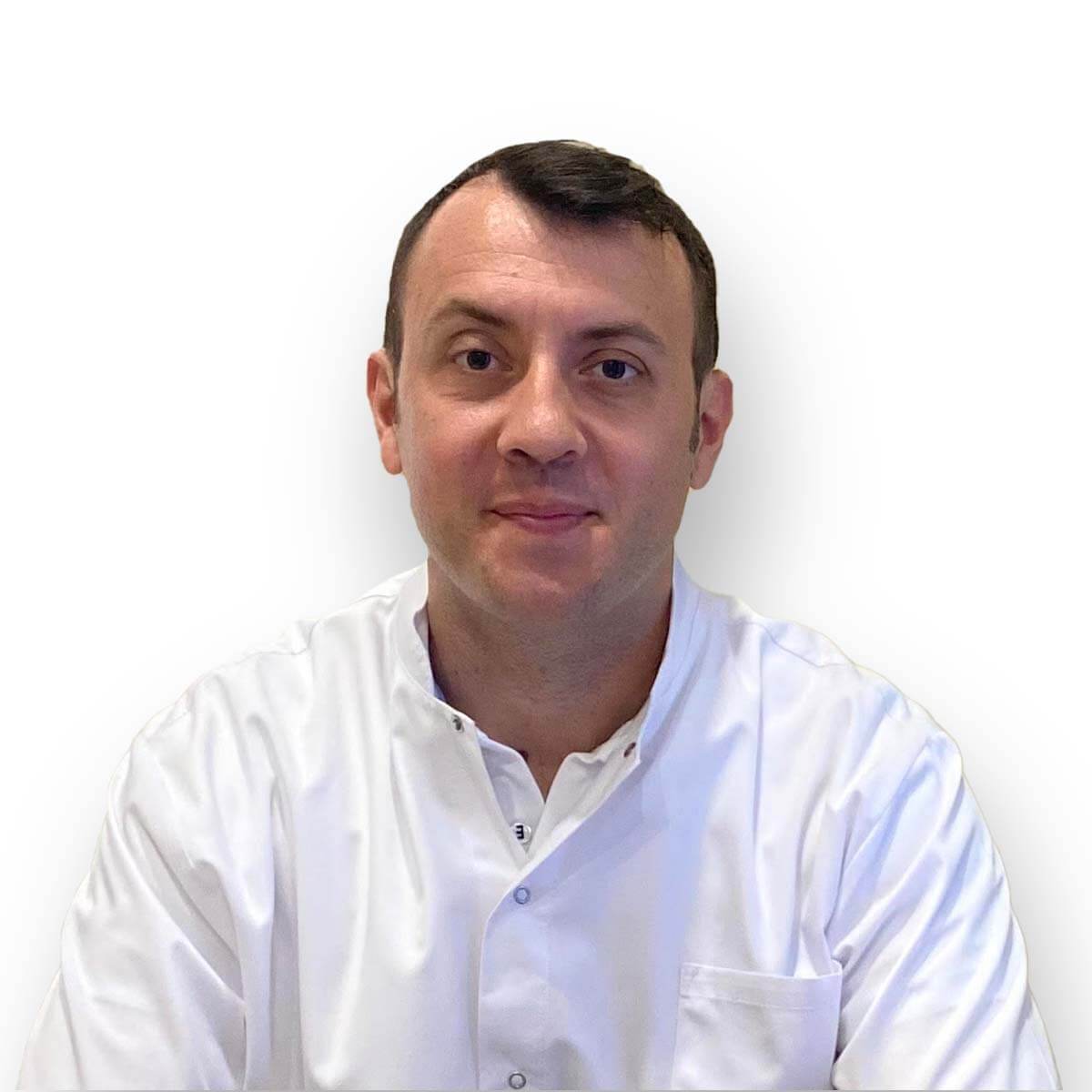
7. The Centrokinetic Expert: Dr. Alin Rasina
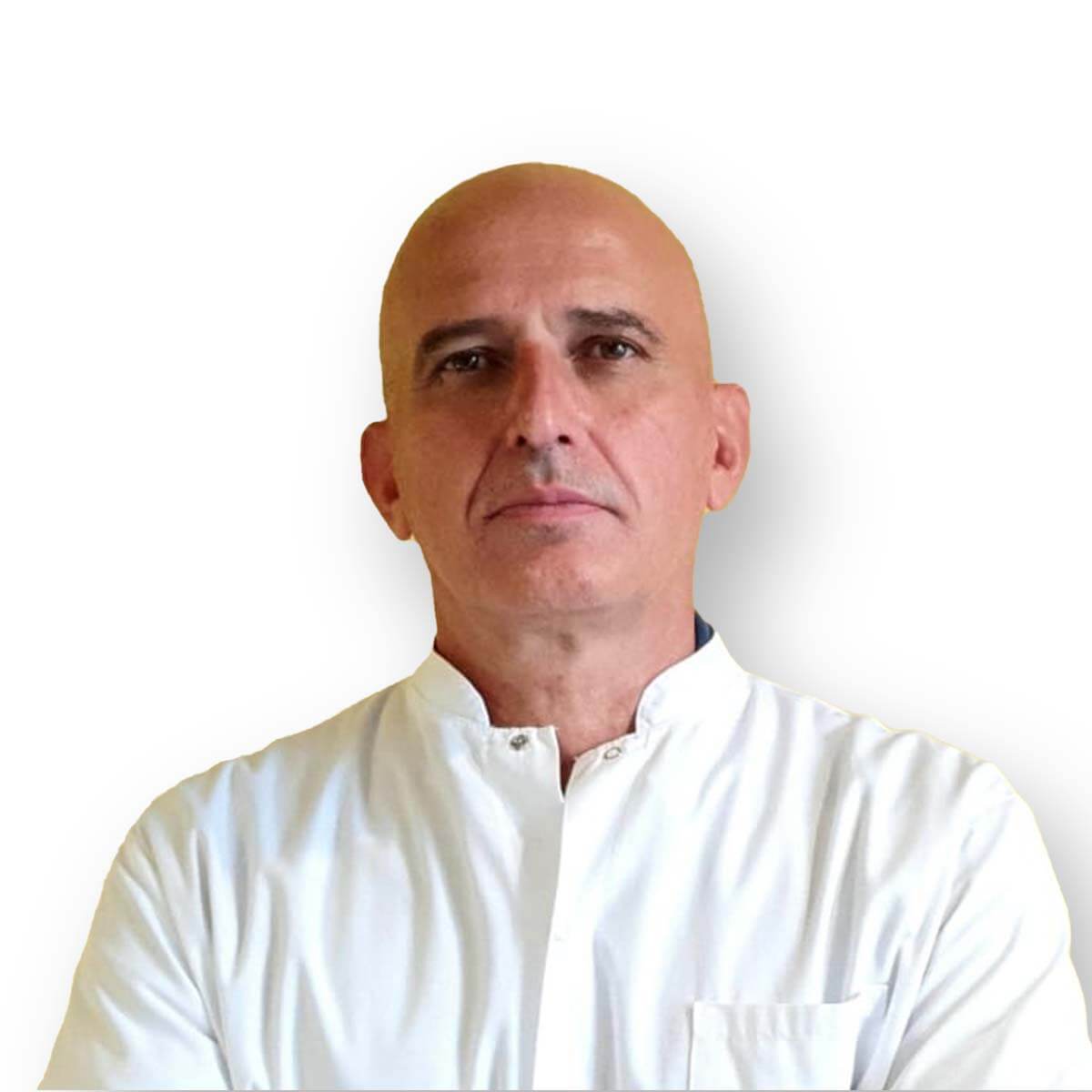
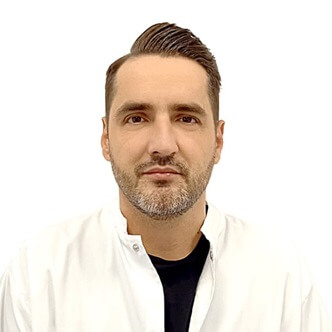
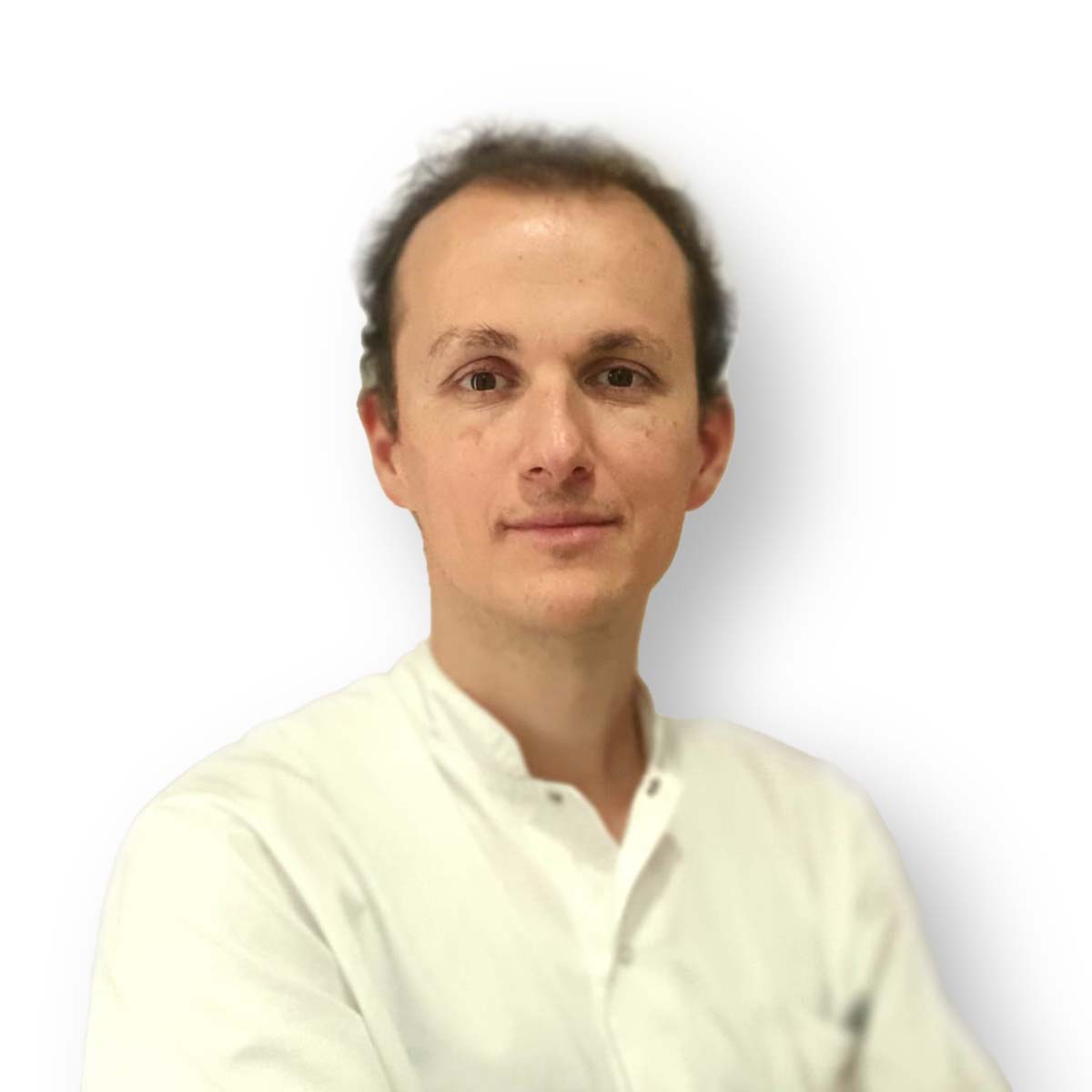
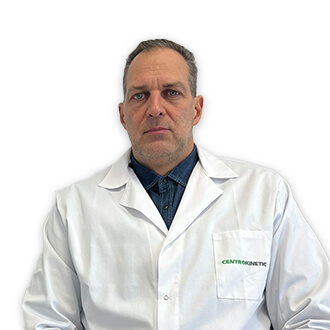
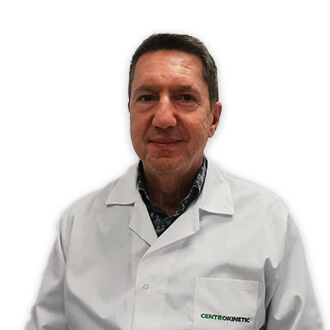
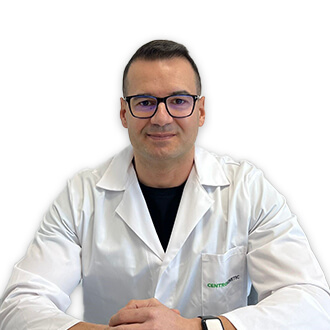
Neurosurgical treatment of spasticity at Centrokinetic is provided by Dr. Alin Dumitru Rasina, senior consultant neurosurgeon specialized in functional and stereotactic neurosurgery.
Dr. Alin Dumitru Rasina
Senior Consultant Neurosurgeon | PhD in Medical Sciences
Principal Scientific Researcher Grade III | Master in Healthcare Services Management
Main competencies: Functional and Stereotactic Neurosurgery
Dr. Rasina is part of the Clinical Neurosurgery Department V (Stereotactic and Functional Neurosurgery) at the "Bagdasar-Arseni" Emergency Clinical Hospital — the only stereotactic and functional neurosurgery department in Romania, recognized as a continental regional reference center.
This department is where the first deep brain stimulation implants for Parkinson’s disease and the first chronic intrathecal baclofen infusion pumps for spasticity and chronic pain were performed in Romania. The department specializes in spasticity surgery, surgery for drug-resistant epilepsy, Parkinson’s disease, dystonia, and chronic neuropathic pain.
Patient perspective:
Patients who consulted Dr. Rasina describe him as “a highly trained, calm, attentive physician,” capable of explaining complex diagnoses in accessible language and providing support both to patients and their families. In public reviews, patients mention: “a doctor with golden hands and mind” and “a doctor who knows how to listen and advise you anytime.”
At Centrokinetic, Dr. Rasina is available for specialist consultations in functional neurosurgery for spasticity, collaborating directly with the clinic’s neurological rehabilitation, physiotherapy, and electrophysiology teams — within an integrated circuit, from evaluation to surgery and postoperative rehabilitation.
8. When is neurosurgical treatment indicated?
Neurosurgical treatment of spasticity is not an emergency procedure and is not the first therapeutic option. It is applied based on a strict decision-making algorithm according to validated international criteria:
- Failure of conservative treatment — medication and physical/kinetic therapy did not provide sufficient results regarding function, comfort, or quality of life
- Neurologically stable spasticity — at least 1 year of documented evolution, without recent major neurological changes
- Risk of irreversible deformities — rapid progression toward contractures or joint dislocations
- Absence of local contraindications — no active pressure sores, urinary infections, or other irritative foci that could compromise the surgical procedure
- Family understanding and motivation — the patient and family understand the objectives, limitations, and the collaboration required with the postoperative rehabilitation team
The objectives may include:
Functional
Walking ability, hand function, independence in daily activities
Comfort
Reduction of pain and spasms, facilitation of care and sleep
Preventive
Prevention of irreversible orthopedic deformities and ankylosis
Cosmetic
Correction of visible abnormal limb postures
9. Frequently Asked Questions
Is neurosurgical intervention painful?
Procedures are performed under general or loco-regional anesthesia, depending on the technique. Postoperative pain is generally minimal and well controlled with medication.
How long does recovery take after PPN or rhizotomy?
Postoperative rehabilitation starts quickly — physiotherapy is usually initiated 24–48 hours after surgery. Complete functional recovery may take 3–12 months, depending on the technique, treated area, and collaboration with the rehabilitation team.
Are the effects permanent?
PPN and posterior rhizotomy have long-lasting effects, but they do not imply complete disappearance of spasticity. The goal is to reduce it to a functional and controllable level. The baclofen pump is reversible (it can be stopped or adjusted at any time).
What happens if I do nothing?
Severe untreated spasticity progressively worsens: muscle contractures, joint deformities, increasing chronic pain, and increased social dependence. Some deformities, once fixed, require additional orthopedic surgery.
Can children also benefit from these interventions?
Yes. Selective posterior rhizotomy is especially indicated for children with cerebral palsy, preferably between 3 and 7 years old, when neurological plasticity is maximal. PPN is applicable both in adults and children for localized spasticity.
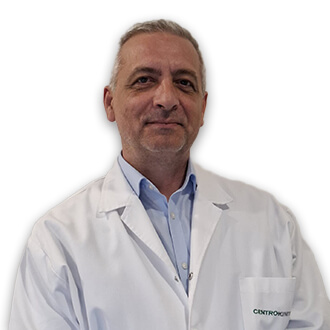
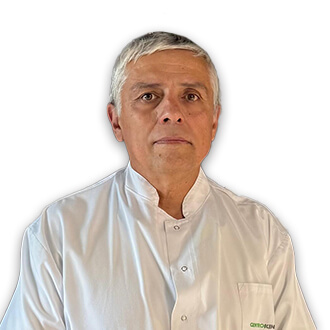
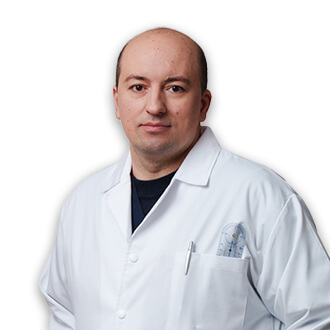
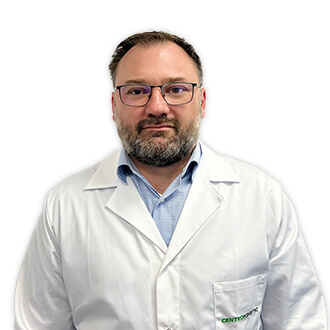
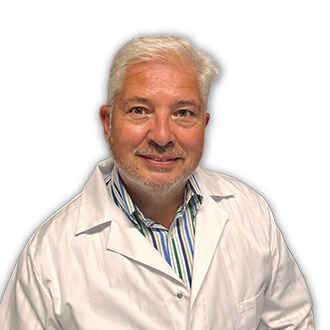
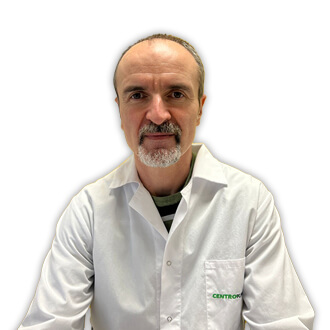
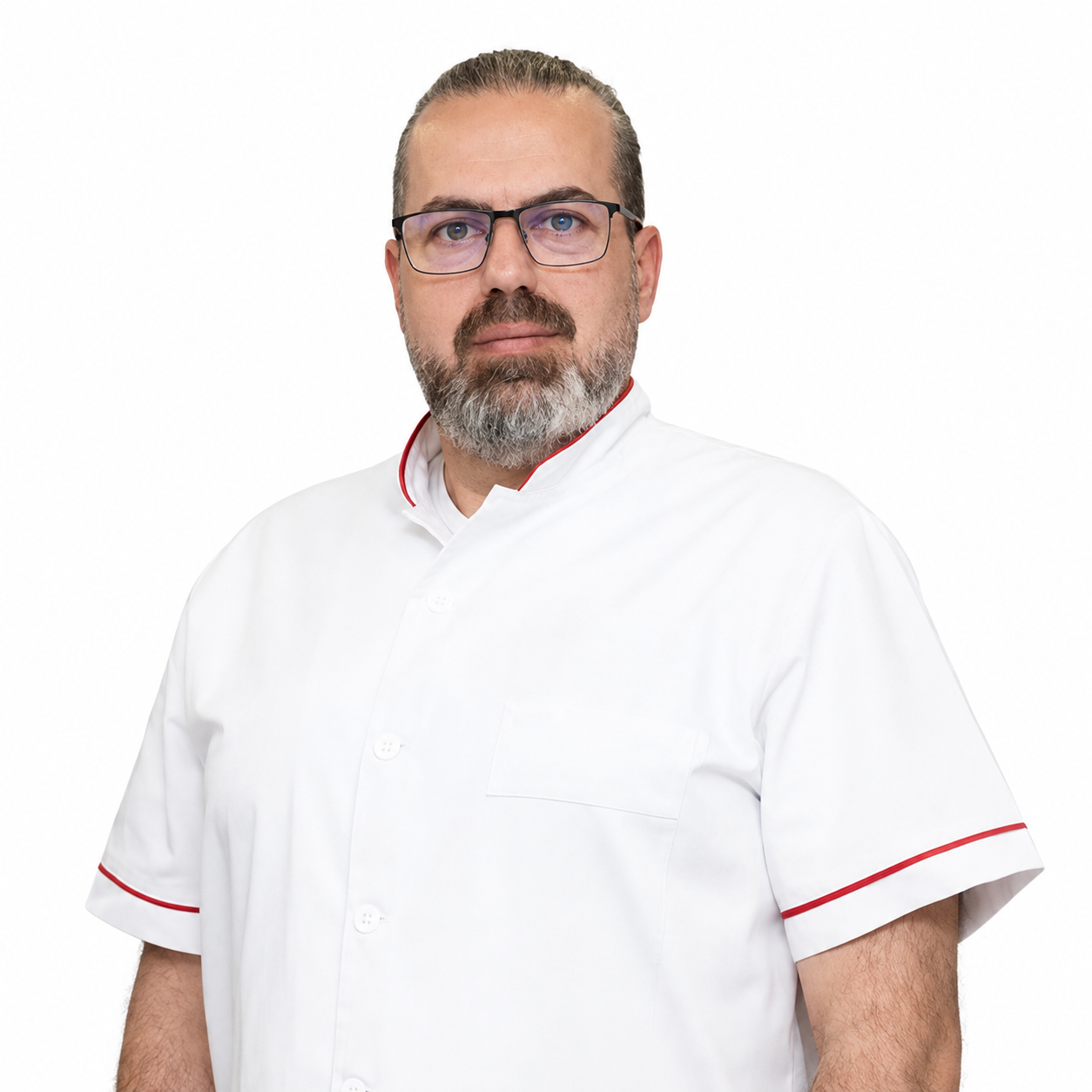
BUCHAREST TEAM






























CLUJ NAPOCA TEAM

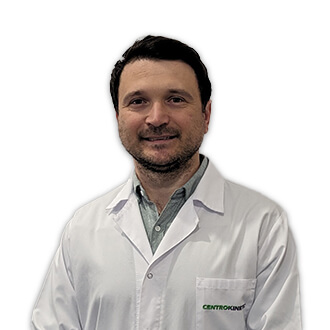
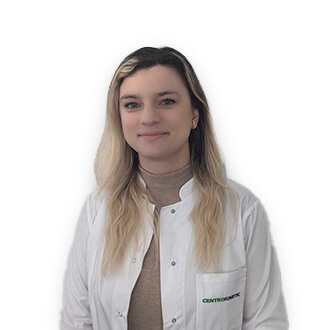

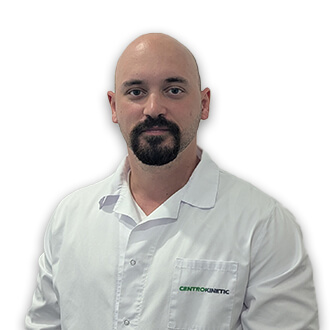



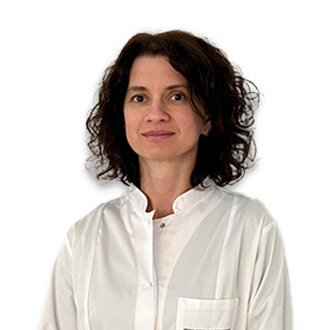















BRASOV TEAM







MAKE AN APPOINTMENT
FOR AN EXAMINATION
See here how you can make an appointment and the location of our clinics.
MAKE AN APPOINTMENT
Asiguratori privati




Parteneriate


CENTROKINETIC FLOREASCA
Bucharest, 1st District,
Mircea Eliade Street, no. 18,
Eliade Tower, Entrance A, Floor 3
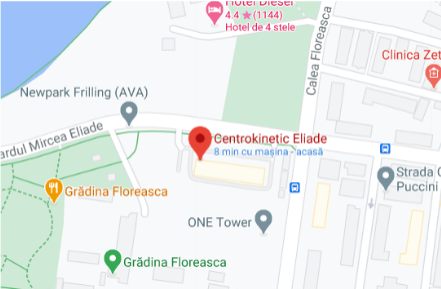
| Navigation | Explore 3D |
CENTROKINETIC Barbu Vacarescu
Bucharest, 2nd District,
Barbu Vacarescu Street, no. 102,
102 The Address, ground floor.
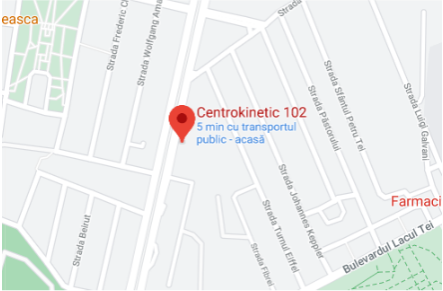
| Navigation | Explore 3D |
CENTROKINETIC MILITARI
Bucuresti, Sector 6,
Bld. Iuliu Maniu, nr. 15G,
Cladirea PBT, etaj 3.
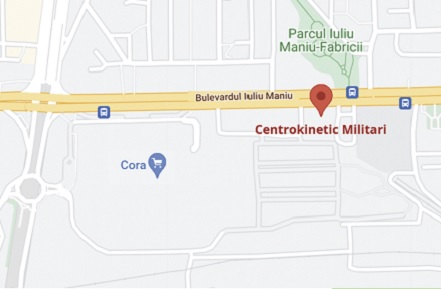
| Navigation |
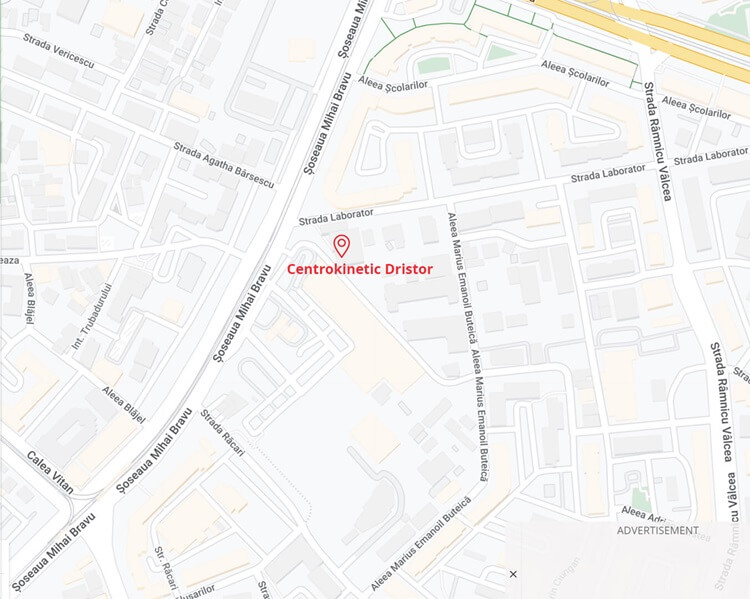
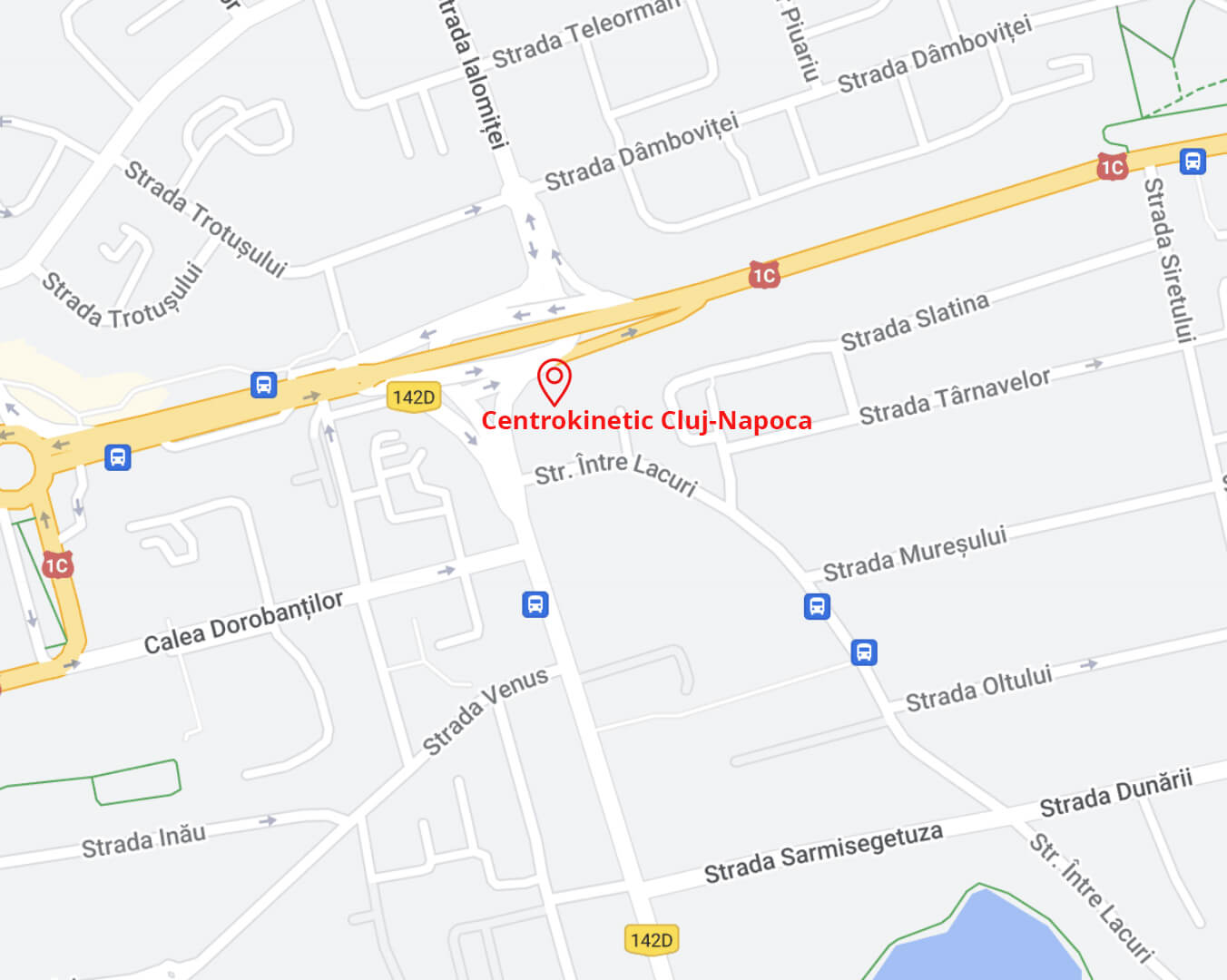
CENTROKINETIC CLUJ-NAPOCA
Cluj-Napoca,
Str. Intre Lacuri, nr.1
Intrarea este in spatele cladirii.
| Navigation |
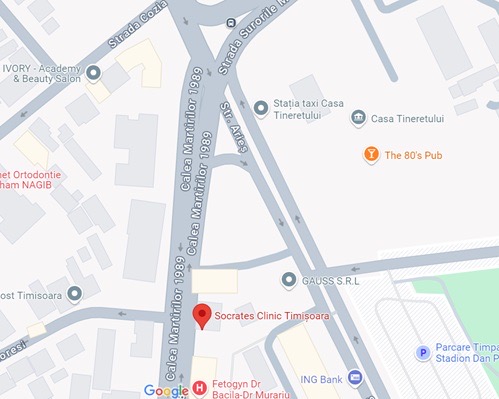
SOCRATES CLINIC TIMISOARA
Timisoara, Calea Martirilor 1989,
nr. 1.
Telefon: 0371 785 374.
| Navigation |
CONTACT
Phone: 0319693
E-mail: programari@centrokinetic.ro
Operating hours:
Monday – Friday: 07:00 – 21:00
Saturday: 09:00 – 14:00
Sunday: closed.
MAKE AN APPOINTMENT